WCAG 3.0 Has Moved Another Step Forward
WCAG 3 is not here to replace WCAG 2.2 yet, but it is becoming harder for accessibility teams to treat it as something far off.
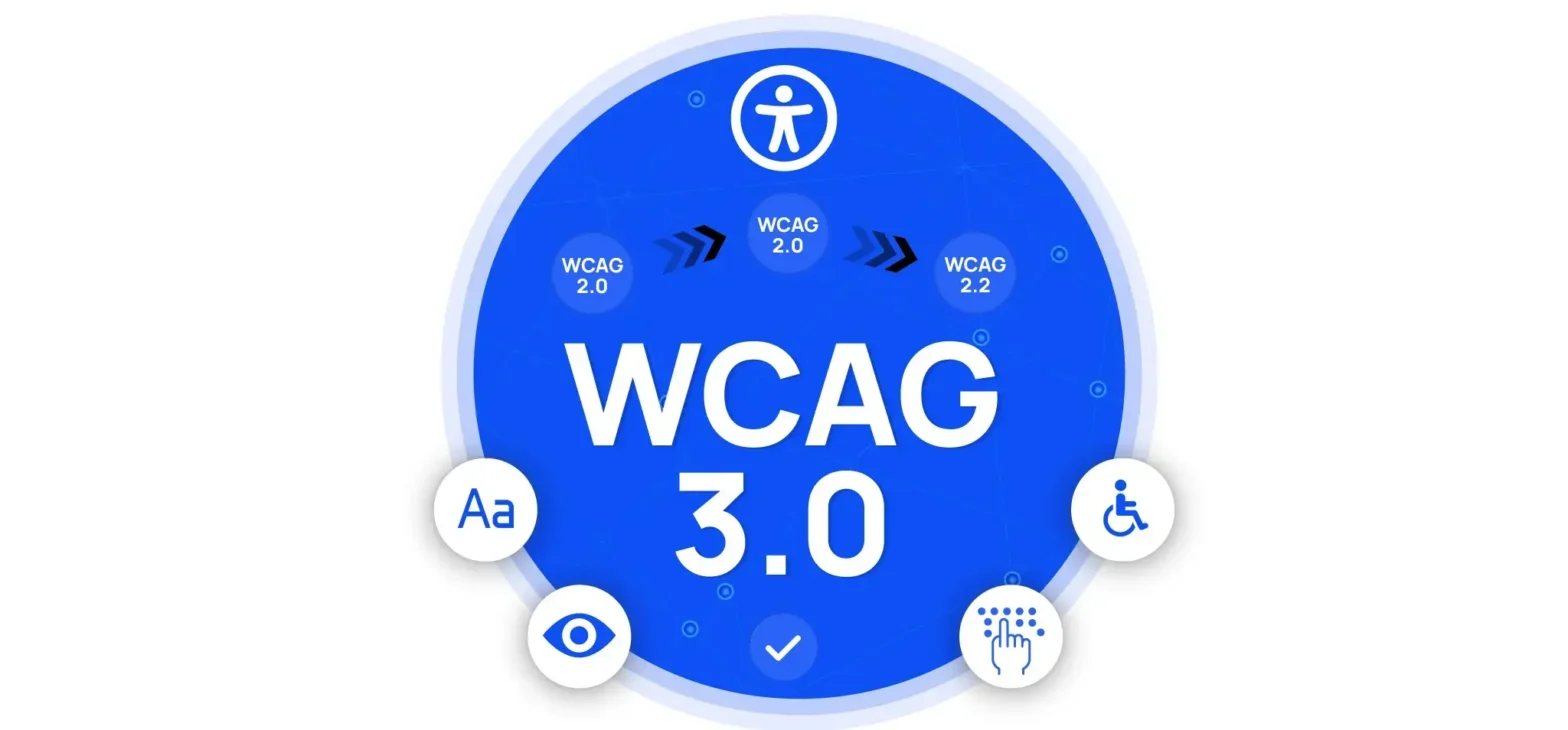
On 10 September 2026, W3C published an updated WCAG 3.0 Working Draft, bringing changes to the draft’s structure, requirements, and proposed conformance model. The draft also has a broader scope, extending beyond web content to areas including apps, tools, publishing, and emerging technologies.
For teams already working with accessibility standards, the important question is not simply what WCAG 3 will eventually become. It is what is changing now, why W3C is reconsidering parts of the current model, and what those changes could mean for accessibility testing, reporting, and digital content.
There is no need to abandon existing WCAG 2.2 practices. W3C makes clear that WCAG 3 is still an incomplete draft and is expected to change substantially. The value of following it now is understanding the direction of the standard before those changes become final.
What Has Changed in the September 2026 Draft?
W3C is exploring a different way of organising the guidelines and communicating conformance. The September 2026 update moves some material into a more developed state, while other parts remain exploratory and subject to change.
A Different Structure for WCAG 3
WCAG 3 groups its accessibility guidance differently from WCAG 2. Instead of the familiar combination of principles, guidelines, and success criteria, the draft introduces Guidelines, which contain Core Requirements, Supplemental Requirements, Assertions, and Recommended Practices. Supporting material also includes Methods and guidance on how to document implementation.
The change is intended to make the guidelines more flexible across different types of content, applications, tools, publishing environments, and future technologies. It also reflects a broader scope than the current WCAG 2 framework.
A New Approach to Conformance
The proposed conformance model is an even bigger change. In the September 2026 draft, meeting all Core Requirements is what establishes conformance. Tags and reporting tiers are then used to communicate progress towards conformance and achievements beyond it.
This is still under discussion. W3C is specifically asking for feedback on whether this approach improves on earlier conformance models, so it should not be treated as the final model organisations will eventually need to follow.
What Could WCAG 3 Mean for Accessibility Testing and Content?
WCAG 2.2 has made accessibility testing familiar to many teams: evaluate against success criteria, record failures, fix them, and retest. WCAG 3 is exploring a model that can describe accessibility in more ways than a simple pass-or-fail result.
That could mean looking at a combination of required conditions, supporting evidence, and the level of accessibility demonstrated by a product. For testing teams, the practical challenge will be understanding how these different elements should be evaluated and reported once the model is finalized.
The draft does not remove the need for human judgment. Automated tools can identify certain technical problems, but they cannot determine whether every interaction or piece of content works well for people with different access needs. The evaluation process will still need to consider the actual user experience.
What About PDFs and Digital Documents?
WCAG 3 is being developed with a broader range of digital experiences in mind, which makes the direction of the standard relevant to teams working beyond websites. For organisations producing PDFs, forms, reports, ebooks, and other digital documents, accessibility still comes down to whether people can navigate, understand, and interact with the content using the tools they rely on. For a deeper look at how WCAG applies to PDF remediation, see our complete guide to PDF remediation.
That means document structure remains important. Headings need to provide a sensible hierarchy, reading order needs to follow the intended flow, tables need meaningful relationships between their headers and data, and images need appropriate alternatives. Forms and interactive elements bring their own accessibility considerations.
The September 2026 draft does not mean organisations should suddenly apply a new set of WCAG 3 document requirements. Those requirements are still being developed. For now, the more useful question is whether existing document accessibility practices are strong enough to adapt as the standard evolves.
Should Organisations Start Preparing for WCAG 3?
There is a difference between preparing for WCAG 3 and switching to it. Organisations do not need to replace their current accessibility practices based on a Working Draft that is still being developed.
For now, WCAG 2.2 remains the practical reference for teams working against current accessibility requirements. Existing testing, remediation, and reporting processes should continue to reflect the standards and regulations that apply to the organisation.
That does not mean WCAG 3 can be ignored. Accessibility teams can follow the draft as it develops, pay attention to changes in the conformance model, and consider whether their current testing approach captures more than individual technical failures. Content and document teams can also review whether their processes are flexible enough to accommodate future changes.
The useful preparation is therefore awareness, not premature compliance. Teams that understand the direction of WCAG 3 will be better placed to respond when the final standard takes shape.
WCAG 3 Is Still Taking Shape
The September 2026 Working Draft gives accessibility teams a clearer idea of how WCAG may evolve, particularly around its structure and approach to conformance. But there is still work to be done before those changes become a final standard.
For now, organisations can continue working with the accessibility requirements that apply to them while keeping an eye on how WCAG 3 develops.
The useful preparation is therefore awareness, not premature compliance. Teams that understand the direction of WCAG 3 will be better placed to respond when the final standard takes shape.
If you need help reviewing the accessibility of your digital documents against current standards, talk to the Documenta11y team.
 How Often Should You Audit Your Website for Accessibility (2026 Guide)
 8 Best Practices for Creating Accessible PDFs in InDesign
 WCAG 3.0 Working Draft: What Accessibility Teams Need to Know