
Common Mistakes Universities Make When Selecting PDF Remediation Vendors
Choosing a remediation partner can significantly impact accessibility outcomes, yet many universities fall into similar patterns when making this decision. Understanding these mistakes early helps avoid delays, rework, and compliance risks.
Here are some of the most common pitfalls
1. Choosing based only on lowest cost
Prioritizing price over quality often leads to incomplete remediation and repeated fixes later. While budgets matter, universities need affordable PDF remediation services for university documents that also meet compliance and accessibility standards. Low-cost alone rarely delivers long-term value.
2. Relying solely on automation
Automation helps with scale, but it cannot fully understand document context or handle complex formatting. This is one of the most frequent issues in common mistakes in university PDF remediation vendor selection, as automated results usually require additional manual correction.
3. Ignoring challenges with scanned PDFs
Files created from scans often lack readable text layers and proper tagging. When vendors overlook OCR and manual cleanup, documents remain inaccessible. Universities should ensure their partner understands how to make scanned pdfs accessible and has the capability to handle them accurately.
4. Skipping a comprehensive audit of files
Many institutions rush into remediation without first understanding how their documents are actually used. A comprehensive audit of files helps identify which PDFs are actively accessed and must remain on live sites, and which ones can be archived. Some organizations track file usage before making remediation decisions, allowing them to prioritize high value content and reduce unnecessary work. Vendors that do not guide this step often contribute to increased scope, wasted effort, and avoidable remediation backlogs.
Avoiding these mistakes creates a strong foundation for vendor success. Next, we’ll look at how to select the right partner and what criteria should guide that decision.
How to Choose PDF Remediation Vendors for Universities
Selecting the right partner goes beyond technical capability. The ideal vendor understands higher education environments, manages complex document structures, and supports long-term accessibility goals, not just one-time fixes. This is where knowing how to choose PDF remediation vendors for universities becomes essential.
Here are key criteria that universities should consider:
1. Compliance and expertise
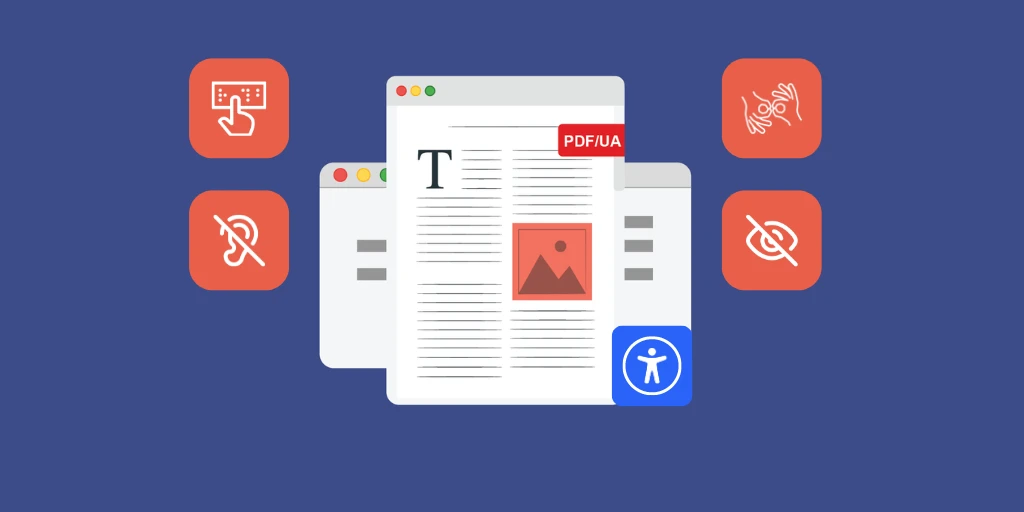
Ensure the vendor follows recognised accessibility standards such as WCAG 2.2 and PDF/UA. They should demonstrate experience applying these standards consistently across academic documents.
2. University and higher education specific experience
Higher education documents vary widely, from course materials and research papers to forms, policies, and student services content. Vendors should have proven experience handling these document types and understand the accessibility expectations unique to academic environments.
3. Clear pricing models and transparent costing
Universities should look beyond low per file pricing and evaluate how remediation is scoped. Vendors should provide clear pricing models based on document complexity, remediation level, and volume, so teams can plan budgets without surprise costs.
4. Turnaround times and scalability
Universities often face peak remediation demand during semester transitions, audits, or large content migrations. Vendors must demonstrate the ability to scale operations while maintaining quality and meeting agreed turnaround timelines.
5. References and higher education case studies
Requesting references and real examples of university remediation projects helps validate a vendor’s claims. Case studies provide insight into how the vendor handles volume, complexity, and compliance challenges in real academic settings.
6. Support model and SLA commitments
Accessibility remediation is not a one off task. Vendors should clearly define support structures, response times, and service level agreements to ensure ongoing reliability, issue resolution, and accountability.
7. Testing with real users and assistive technology
Where available, vendors should validate remediated PDFs using screen readers and other assistive technologies. Testing with real users strengthens quality assurance and confirms that documents function as intended in real world academic use.
To make more informed decisions, universities benefit from exploring process details early. Let’s look at crucial steps that should happen before finalising a vendor and what to expect in their remediation workflow
Choose Wisely, Deliver Inclusively
Choosing the right vendor can significantly shape how effectively a university delivers accessible content. When accessibility is built into document workflows instead of addressed later, institutions avoid rework, reduce compliance risk and support every student’s ability to learn without barriers. Selecting accessible PDF remediation services that combine accuracy, reporting and turnaround is a strategic investment, not just a corrective measure.
Documenta11y works closely with higher education teams to simplify remediation. With expertise in handling complex and scanned PDFs, adherence to WCAG and PDF/UA standards and scalable support, we help universities move from reactive fixes to structured accessibility practices. If you’re reassessing your approach or dealing with a backlog, share a sample file and request an audit to check alignment with your accessibility goals.
Get in touch with Documenta11y to begin. Make your PDFs accessible, your compliance stronger and your learning environment inclusive.
 EU AI Act and Accessibility: What Organizations Need to Know
 How a Templatized Approach Scales PDF Remediation
  GAAD 2026: Fifteen Years Later, Is the Digital World More Accessible?