
The Second Edition
Accessibility is no stranger to compliance requirements. What is changing is where those conversations are happening.
The EU AI Act is bringing accessibility into discussions about AI governance and accountability, highlighting a shift that many organizations may not have anticipated. At the same time, new technologies and development tools continue to reshape how accessibility is built into digital experiences. This edition looks at some of the developments driving that change and why they deserve a closer look.
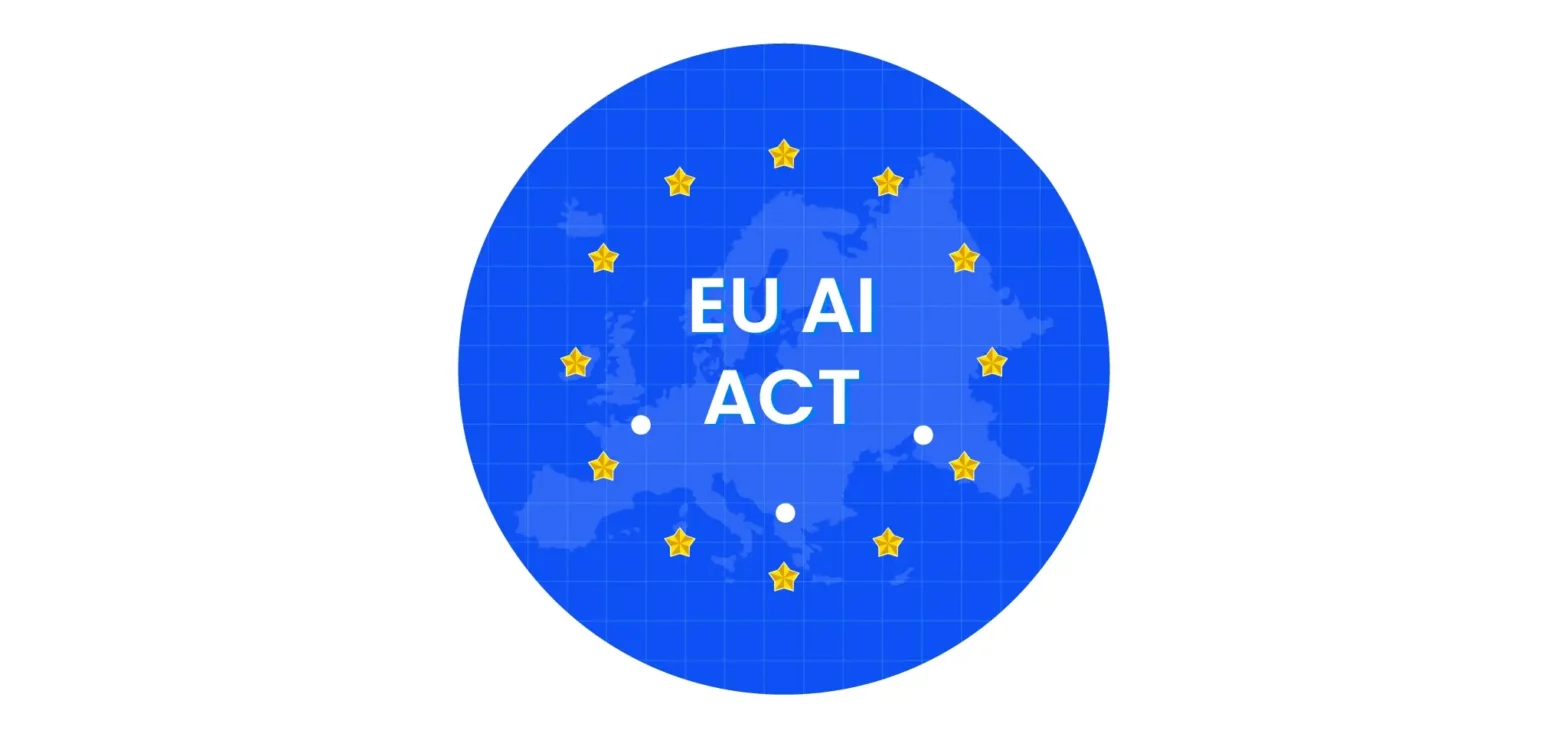
The EU AI Act Is Making Accessibility Harder to Ignore
When people talk about the EU AI Act, the focus is usually on transparency, oversight, and compliance. But there’s another topic quietly gaining attention: accessibility. As AI systems play a bigger role in decisions that affect people’s lives, accessibility is becoming part of the broader conversation around risk, accountability, and trust. The shift signals that inclusive AI may no longer be just a best practice—it is increasingly becoming a governance priority.
Apple Brings New Accessibility Features To Apple Intelligence
Apple has announced a new set of accessibility features across its ecosystem, many of which are powered by Apple Intelligence. The updates include enhancements for users with vision, hearing, mobility, and cognitive disabilities, helping create more personalized and inclusive experiences. The announcement reflects a broader trend across the technology industry, where accessibility is increasingly being built into innovation efforts rather than added later in the development process.
GitHub Introduces Accessibility Enhancements For Developers
GitHub has introduced new accessibility improvements designed to support developers and make inclusive software development easier. The updates focus on improving the developer experience while helping teams identify and address accessibility considerations more effectively. As accessibility becomes a larger part of software quality and user experience, initiatives like these help bring accessibility earlier into the development workflow.
Featured Video: How To Create Accessible PDF Forms
Conversations around accessibility often focus on emerging technologies and new regulations, but many barriers still originate in everyday documents and forms. An inaccessible form can prevent users from completing critical tasks, regardless of how advanced the surrounding technology may be.
This video demonstrates how to create an accessible fillable PDF form from scratch, covering form fields, tagging considerations, field properties, and key requirements for ADA, WCAG 2.1 AA, and Section 508 compliance.
A question Worth Asking This Month
As accessibility becomes part of broader conversations around governance and accountability, is your organization treating it as a shared responsibility or a specialist function?
Stay Informed On Accessibility Trends
Receive future editions with practical insights, standards updates, and real world accessibility perspectives.